

News
Vocational Training for Year 11 & 12 Students
Posted May 21, 2026 in Vocational Training

How vocational training helps students develop practical skills for construction and trade careers
Choosing a pathway in Years 11 and 12 can be challenging for many students. While some choose traditional academic pathways, others prefer learning through practical experiences that lead directly to employment opportunities. At SEDA College WA, the employment of vocational training as a core part of our curriculum provides an alternative approach for students by combining classroom learning with hands-on industry experience.
For students interested in construction and trade careers, vocational education during senior secondary school can help develop practical skills, industry knowledge and the confidence needed to pursue an apprenticeship after graduation.
What Is Vocational Training in Senior Secondary School?
Vocational training allows students to gain industry-focused skills while completing their senior secondary education. In Australia, vocational education pathways are increasingly popular because they help students develop job-ready skills and gain exposure to real workplace environments before leaving school.
Rather than focusing solely on academic theory, vocational programs integrate practical learning, workplace preparation and industry connections. This approach can be particularly beneficial for students who thrive in hands-on learning environments or who already have an interest in a specific industry such as construction.
Developing Practical Skills Through Hands-On Learning
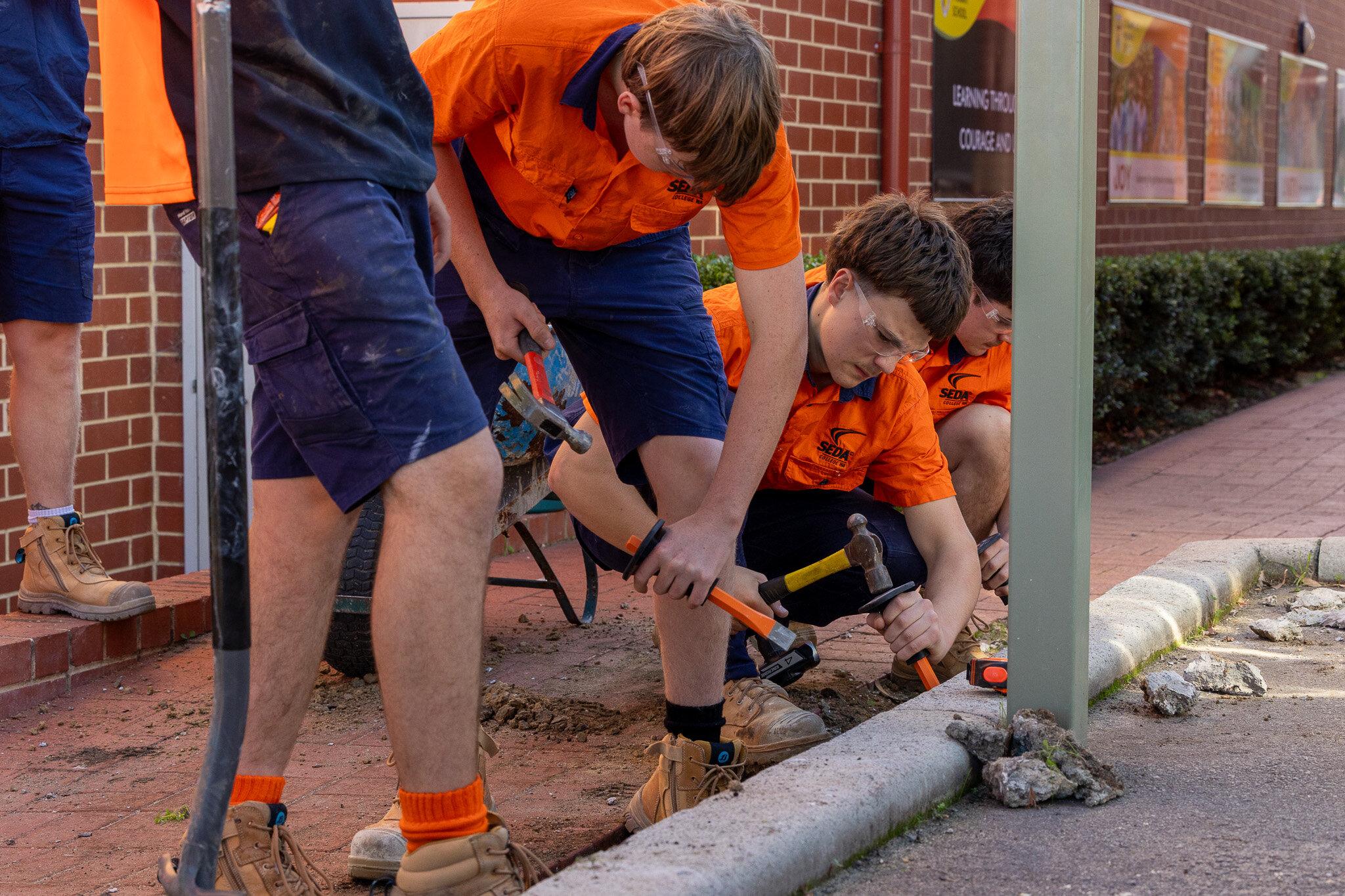
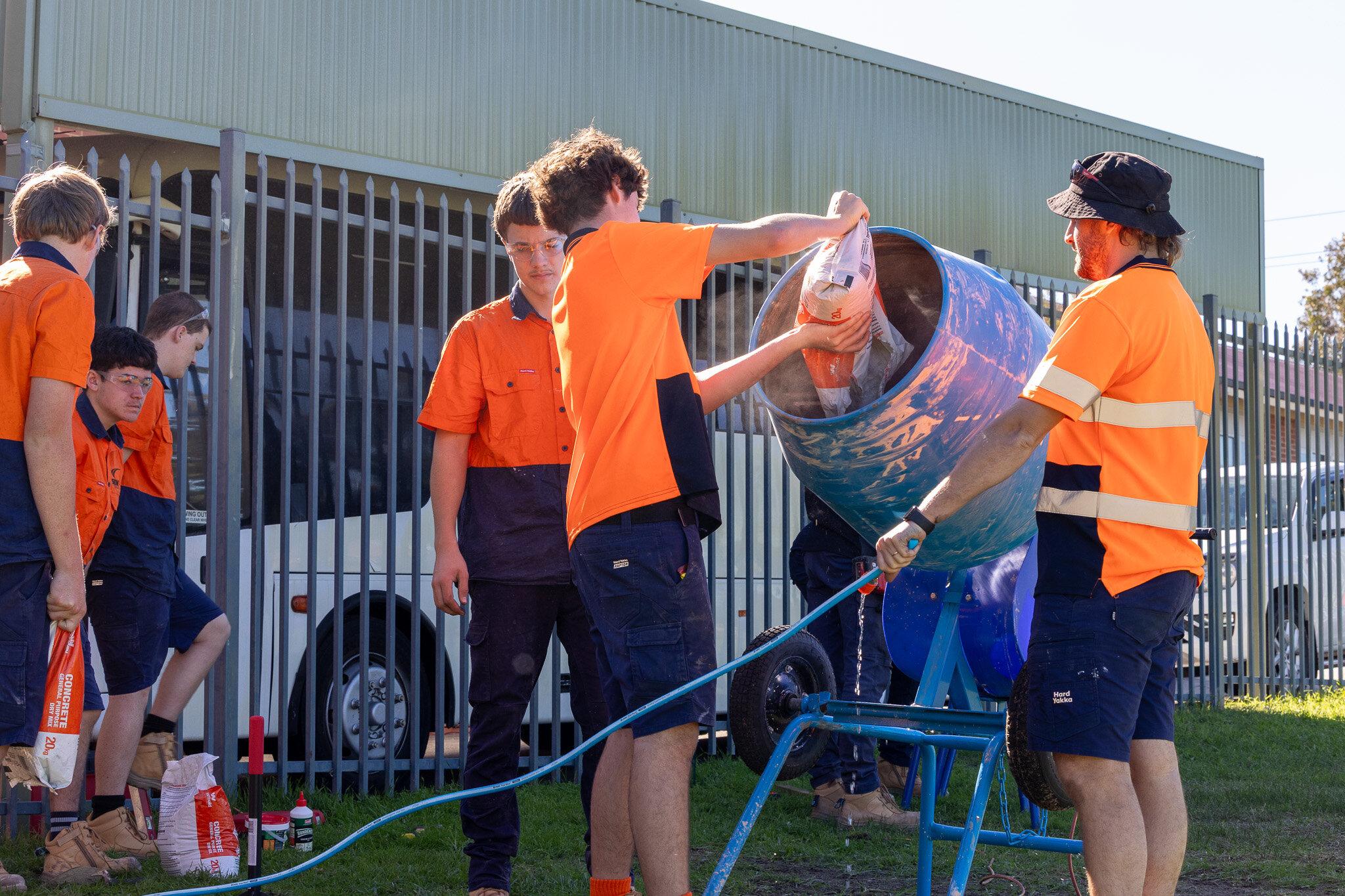
One of the key benefits of vocational training is the opportunity for students to develop practical skills. In SEDA College WA’s Construction and Trade program, students learn about tools, materials, safety practices and the fundamentals of building and construction.
Our hands-on learning allows students to better understand how real projects are completed. Working with tools and construction materials also helps students build confidence while developing problem-solving and teamwork skills that are highly valued in the workplace.
This type of practical experience often makes learning more engaging for students and provides valuable preparation for real job environments – which is what sets SEDA College WA apart
Exploring Different Trades
Another advantage of vocational education is the opportunity for students to explore a variety of trades before committing to a specific career path.
The building and construction industry includes many different trade careers, such as carpentry, plumbing, electrical work, bricklaying and general construction. Exposure to different areas of the industry allows students to better understand the type of work involved in each trade and identify the areas that interest them most.
This exploration helps students make more informed decisions about apprenticeships and future careers.
Industry Connections and Work Placement Opportunities
Industry partnerships play an important role in vocational training programs. Learning alongside industry professionals helps students understand workplace expectations and develop valuable industry networks.
For example, the Construction and Trade Program provides students with opportunities to gain real-life industry experiences. The program partners with Midland Brick, allowing students to participate in practical learning experiences and potential work placements within the construction industry.
These experiences expose students to a wide range of trades and help them better understand which career pathways may suit them best.
Preparing Students for Apprenticeships
Apprenticeships are the most common entry point into the building and construction industry. Vocational training during Years 11 and 12 can provide students with a strong foundation before they apply for apprenticeships. Construction and Trade students at SEDA College WA often obtain apprenticeships off the back of the connections made through their vocational training, as well as their work placements.
Students develop important workplace skills such as communication, teamwork, safety awareness and reliability. These skills are essential for success in construction environments and are often highly valued by employers.
By gaining practical experience while still at school, students may feel more confident entering the workforce and better prepared to transition into an apprenticeship after completing Year 12.

Building Skills, Knowledge and Industry Networks
Vocational programs also help students develop valuable industry networks. Through partnerships with organisations and industry professionals, students gain exposure to real workplace environments and potential employment opportunities.
Programs such as the SEDA College WA Construction and Trade Program allow students to build skills, knowledge and industry connections that can assist them in finding employment within the areas of the construction industry they are most interested in.
Developing these connections early can make the transition from school to employment smoother and provide students with valuable insights into their chosen career path.
Conclusion
Vocational training plays an important role in supporting Year 11 and 12 students who are interested in practical career pathways. By combining classroom learning with hands-on industry experience, vocational education helps students build the skills, knowledge and confidence needed to pursue careers in construction and the trades.
Through programs that provide real-world exposure and industry partnerships, students can explore different trades, develop practical skills and prepare for apprenticeships that lead to long-term careers in the building industry.
Share News


