

News
What to Do After Year 10: A Guide to Choosing the Right Senior School Pathway
Posted August 8, 2026 in Vocational Training
Finishing Year 10 is one of those moments that feels bigger than it looks. On the surface it is just the end of a school year. But the decision that follows it, where to go for Year 11 and 12, shapes a lot of what comes after.
There is no single right answer. But there are better and worse fits depending on who you are, how you learn, and what you want your senior years to actually look like.
The Traditional Path Is Not the Only Path
Most students default to staying at their current school because it is familiar. That is a completely valid choice. But it is worth knowing that it is a choice, and that other pathways exist.
For students who have always found sitting in a classroom difficult, who learn better by doing things rather than reading about them, or who have a passion for sport or trade that they want to weave into their education, a different kind of senior school might be a much better fit.
What Makes a Pathway the Right One
Before deciding anything, it helps to think honestly about a few things.
How do you learn best? Some students thrive in structured classroom environments with clear academic frameworks. Others switch on when they are doing something practical, working on a real project, or connecting what they are learning to something they actually care about.
What do you want to walk away with? A traditional school pathway leads to a WACE qualification. So does a program like the ones at SEDA College WA, but with the addition of a nationally recognised VET credential, industry certifications, and two years of real-world experience built in alongside it.
What kind of environment brings out the best in you? SEDA’s learning environment is planned and developed with industry experts and deliberately connects learning experiences to the type of activities and projects students might undertake if working in a sport and recreation or construction environment. The College takes the traditional WACE and VET curriculum and contextualises it to create maximum student engagement. Students who suit applied learning and a real-life learning environment, who are independent learners that can handle travel and a flexible learning model, tend to thrive in it.
What SEDA College WA Offers
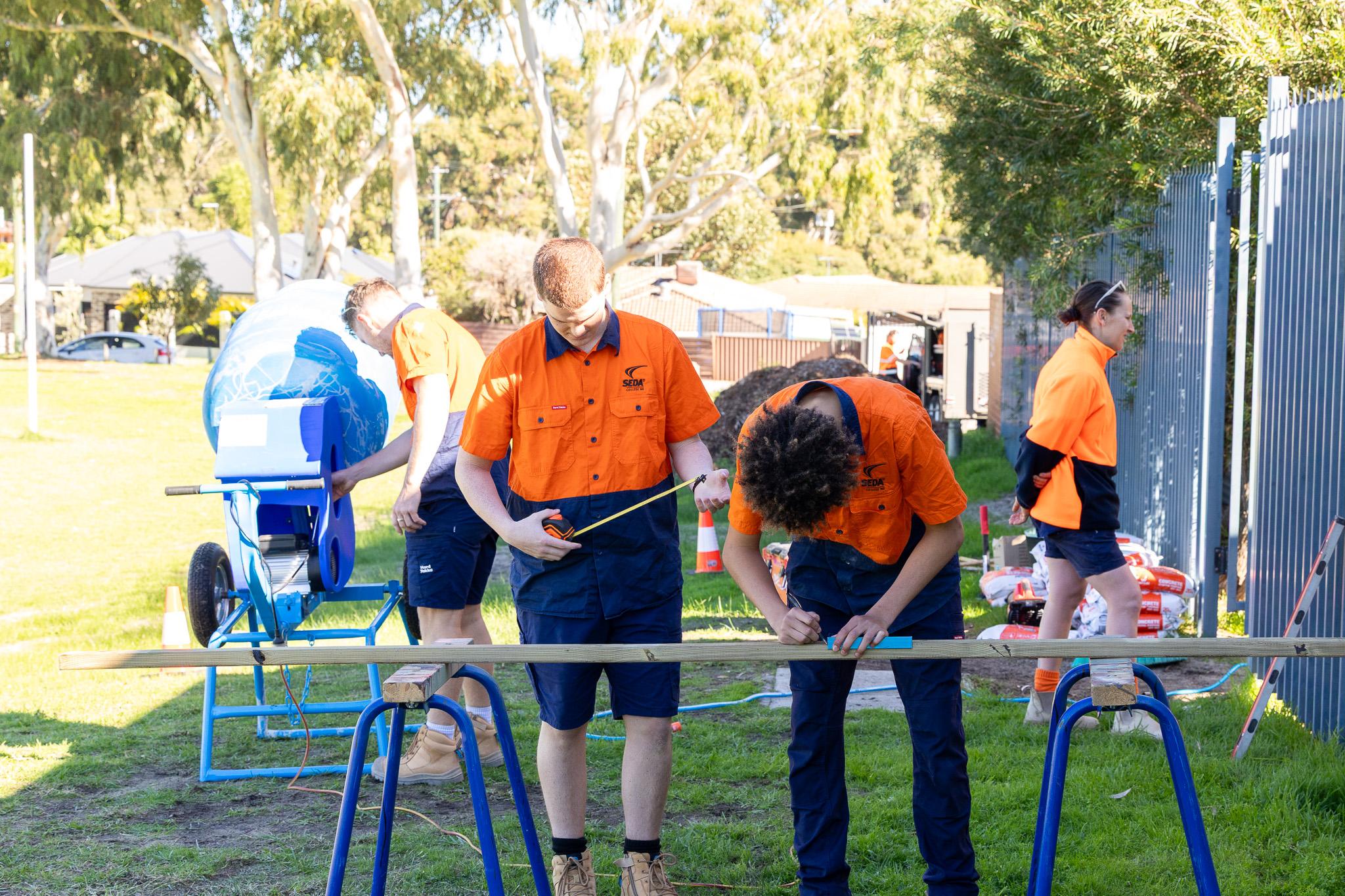
SEDA College WA runs sports development programs and a construction and trade program across Years 11 and 12. Each program is built around a partnership with a major industry organisation, placing students inside that industry from the beginning of Year 11.
For sport, programs are currently available linked to Basketball WA, the West Coast Eagles, the Fremantle Dockers, Netball WA, Perth Glory, the Perth Scorchers, RugbyWA and the Western Force, and Bunbury MultiSport for students based in the south west.
Students graduate with a WACE qualification alongside a VET qualification, the SIS30122 Certificate III in Sport, Aquatics and Recreation, plus First Aid, CPR, Coaching Accreditation, and Officiating Accreditation. That combination opens doors across sport, health, fitness, community development, event management, and more, as seen in the range of industries where SEDA graduates go on to work and study.
Who SEDA Is Suited To
SEDA programs are not selective based on academic ability. Selection into the sports development and construction and trade programs is not dependent on technical skills, and students of all ability levels may apply.
What SEDA looks for is students who have the ability to be a positive brand ambassador, who are suited to applied learning and a real-life learning environment, who have the maturity to manage unsupervised work and learning tasks, and who are independent learners that can handle travel and a flexible learning model.
To be eligible, students must have successfully completed Year 10 or equivalent, and must be an Australian or New Zealand citizen or Australian permanent resident. Students can begin the application and enrolment process from Year 9 onwards, for entry commencing in Year 11.
Starting Early Gives You More Options
One of the less obvious things about choosing a senior school pathway is that timing matters. The earlier a student starts exploring their options, the more time they have to make an informed decision and complete the application process without rushing. Students who are particularly motivated can also apply for enrolment from Year 9, giving them an early opportunity to plan their pathway with confidence.
SEDA’s information evenings are a practical way to understand whether a program is the right fit before committing. The enrolment FAQs cover common questions about the process, and the admissions team is available Monday to Friday, 8:30am to 4:30pm AWST at info@seda.wa.edu.au or (08) 9486 6230.
The end of Year 10 is a decision point, not a deadline. Taking the time to understand all the options is the most useful thing any student or family can do with it.
How SEDA Students Earn the Certificate III
The Certificate III is earned as part of completing a two-year sports development program at SEDA College WA. Students choose a program linked to the sport they care most about, with programs currently available in basketball, football, netball, cricket, soccer, and rugby.
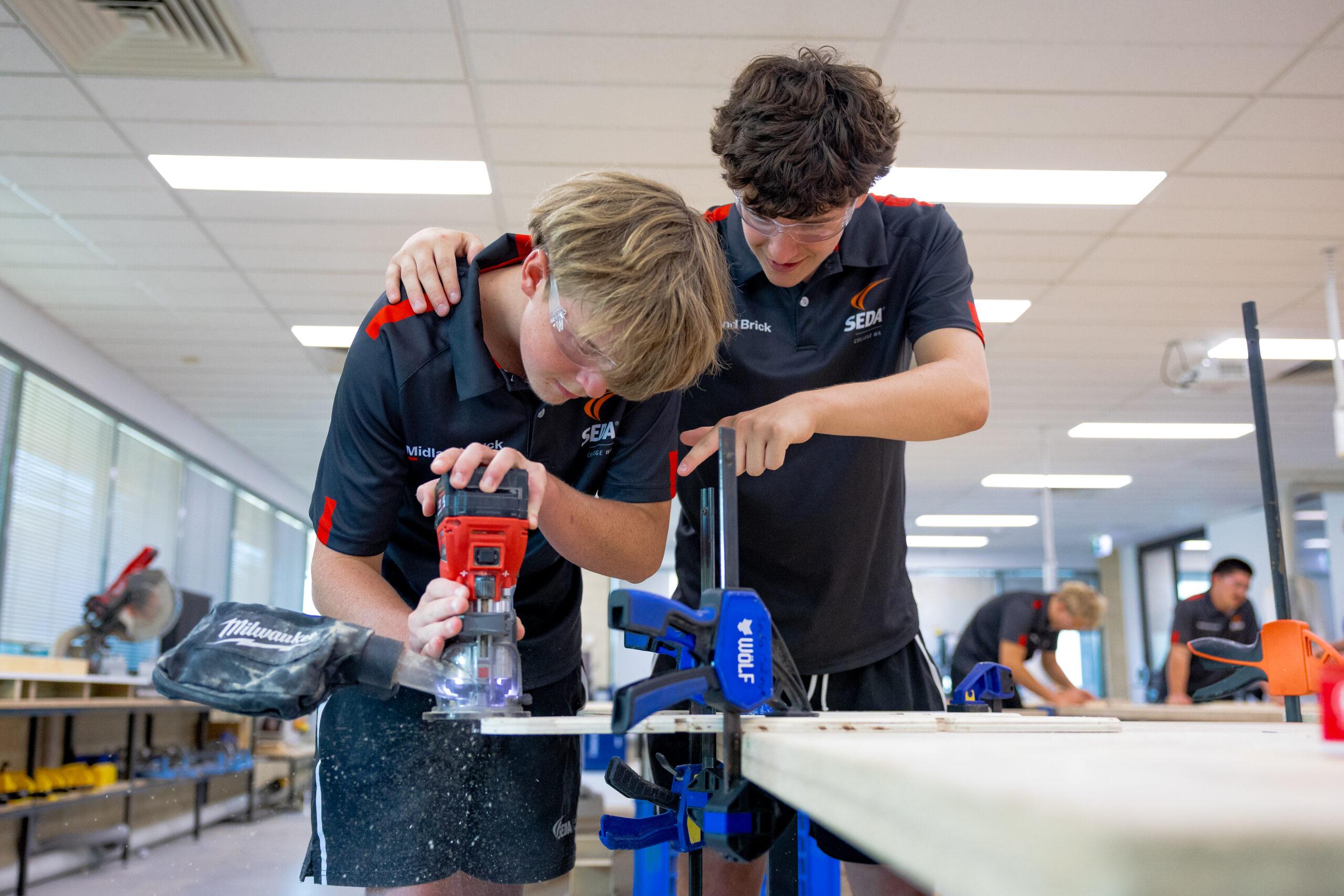
The Certificate III is earned through doing rather than just studying, built into a two-year program alongside a WACE qualification and real industry experience inside a major Western Australian sporting organisation.
For students who want to understand what the full journey looks like, our Student Journey page is a good place to start.
Share News


